

Deep Gulf Drop-Offs: Ultimate Offshore Action
 Venice, FL
What you will be catching:
 Barracuda
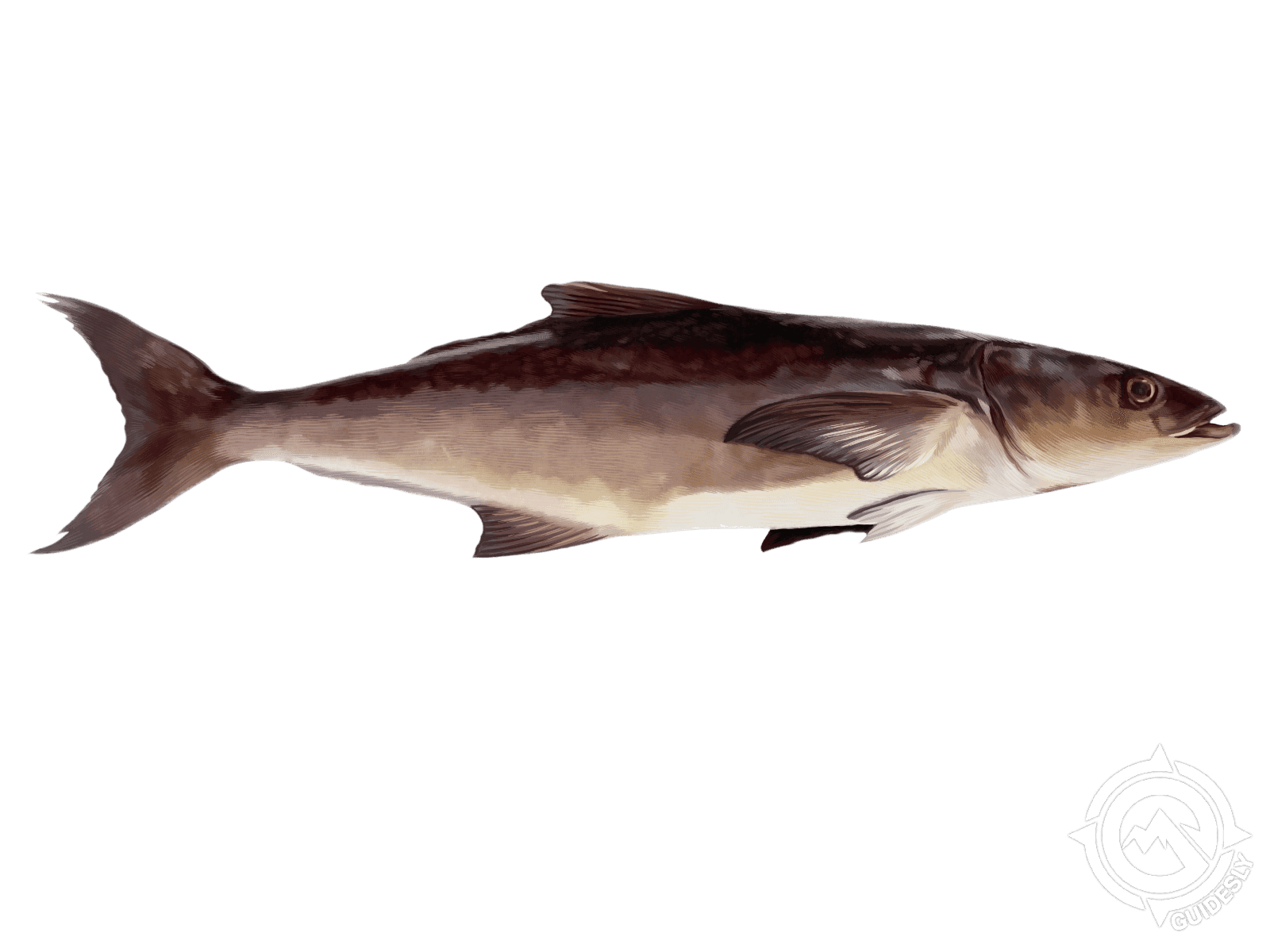
 Cobia
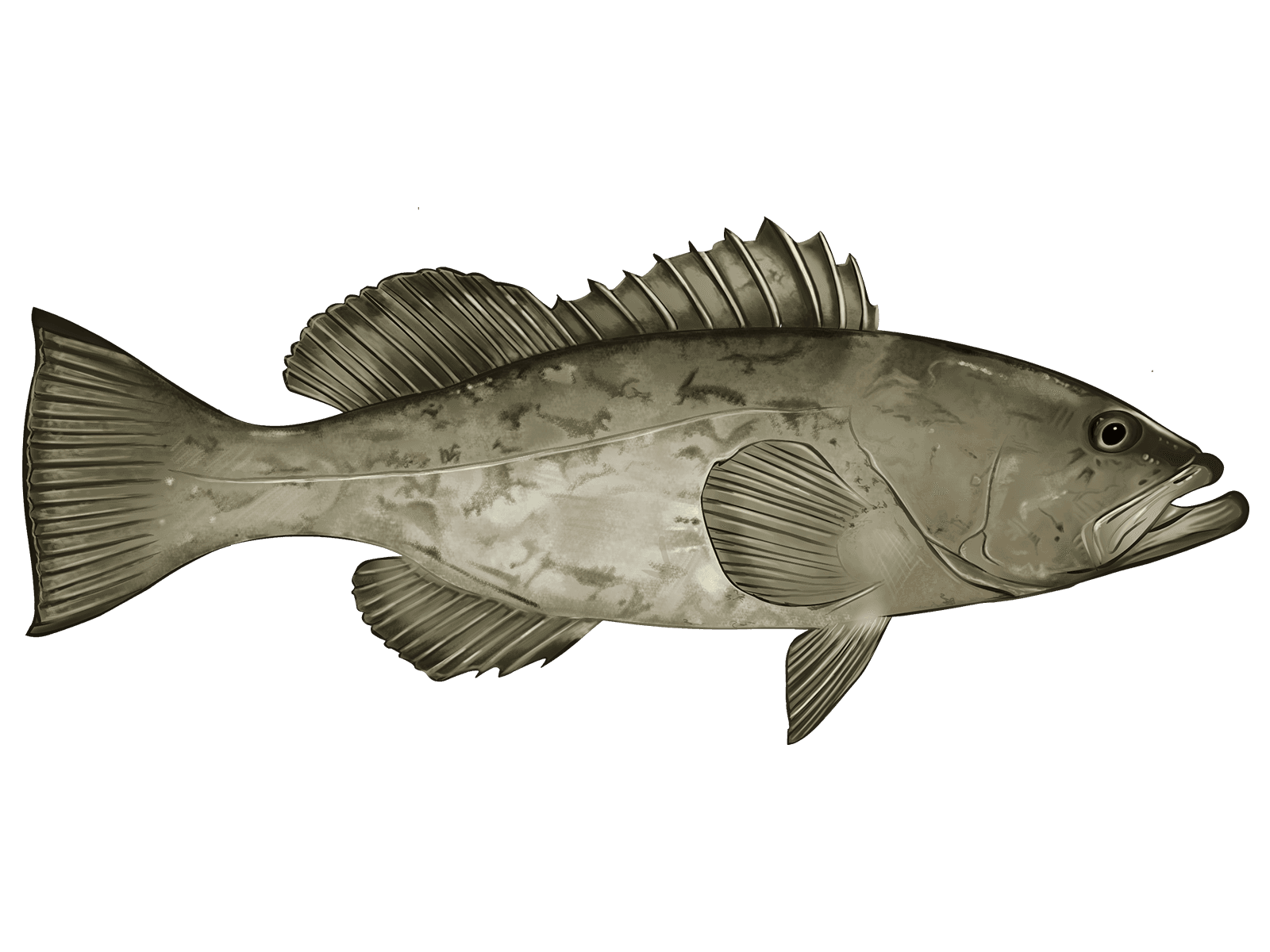
 Gag Grouper
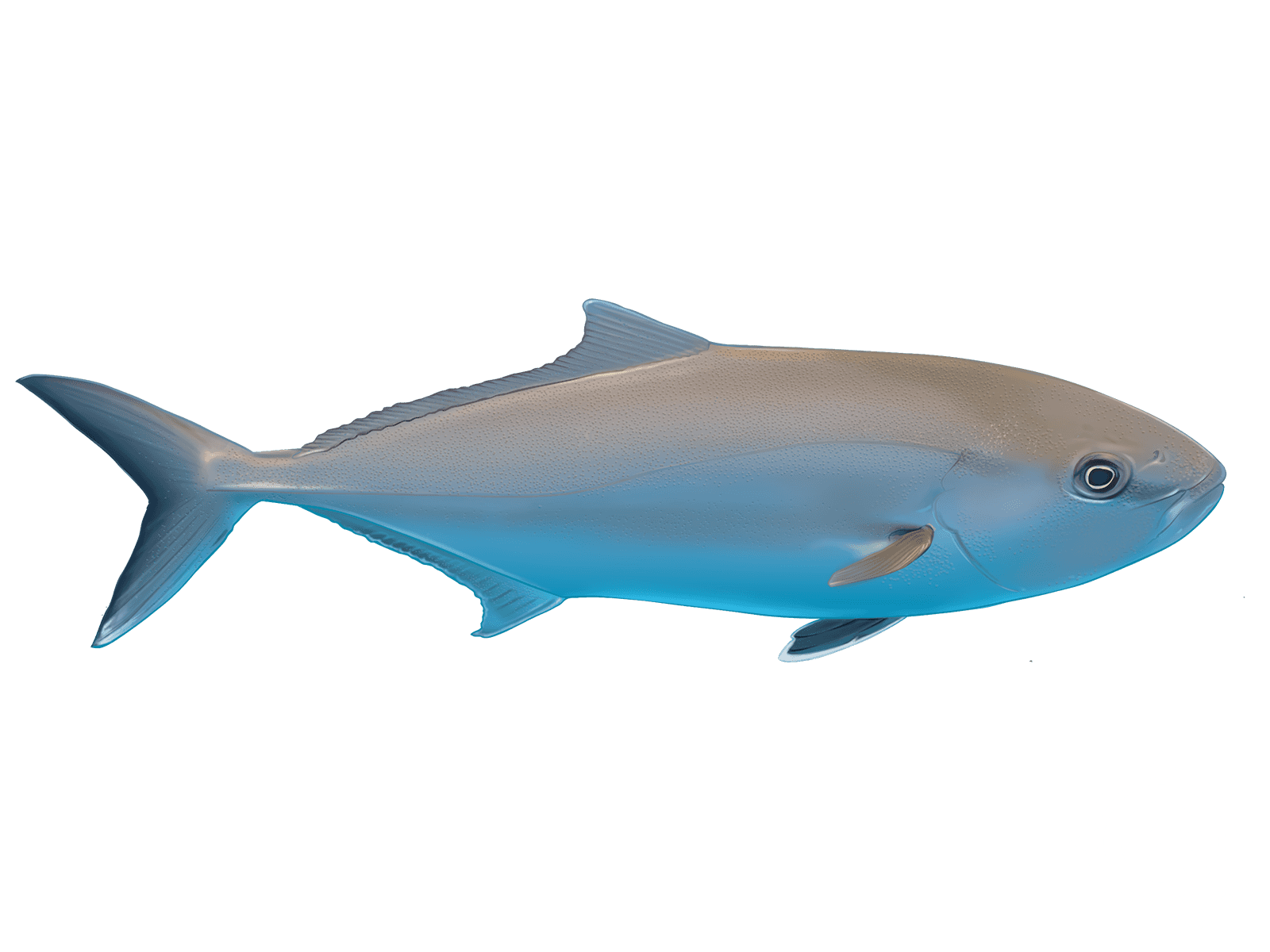
 Greater Amberjack
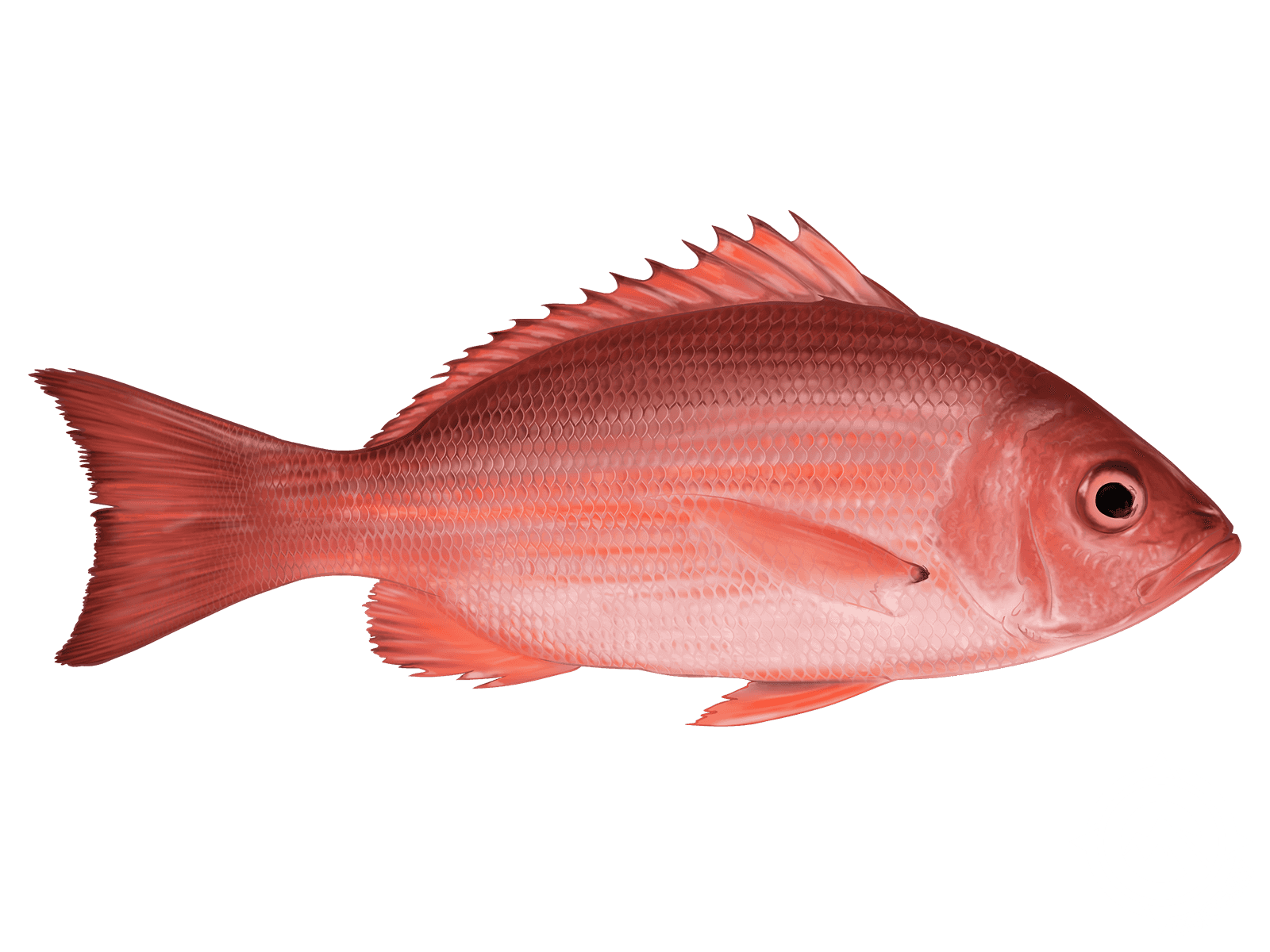
 Red Snapper
- Extended offshore charter targeting grouper, snapper, and pelagic species
- Heavy tackle provided for deep-sea bottom fishing adventures
- Full-day charter accommodates up to four experienced anglers
Trip Pricing and Availabilities:
Deep Gulf Drop-Offs: Ultimate Offshore Action
When you're ready to leave the inshore crowds behind and get serious about big fish, this Venice offshore charter delivers exactly what you're looking for. We're talking about pushing way out into the Gulf's deep blue water where the real monsters live – those legendary drop-offs and underwater structures that hold trophy-sized grouper, snapper, and pelagics that rarely see a hook. With TNT Fishing Charters, you're getting maximum range and the time needed to work these prime offshore zones properly. This isn't a quick trip to the nearest reef; we're going the distance to reach those untouched honey holes where the biggest fish in the Gulf call home.
What to Expect on the Water
Your day starts early, but trust me, it's worth every minute when you see the sun rise over open Gulf waters. We'll be running hard offshore, covering serious ground to reach those deep-water structures where the action really heats up. The beauty of this extended trip is we've got the time and fuel to chase the bite wherever it leads us. Maybe the grouper are stacked up on a deep ledge at 120 feet, or perhaps the mahi are crashing bait along a current edge miles from shore. With four anglers max, everyone gets plenty of elbow room and personal attention from the crew. The boat's rigged with top-shelf tackle for everything from heavy bottom fishing to high-speed trolling, and we'll adjust our game plan based on what the fish are telling us. Some days we'll anchor up and work the bottom hard, other days we'll cover water looking for surface action – that's the beauty of having the time and range to adapt.
Techniques and Heavy Tackle
Out here in the deep Gulf, we're playing in the big leagues, which means serious gear and proven techniques. For the bottom bite, we're talking heavy conventional reels loaded with 80-pound braid, 2-4 ounce sinkers, and circle hooks that can handle 20-pound grouper trying to cut you off in the rocks. Live bait is king out here – we'll have a well full of frisky pinfish, grunts, and sardines that drive the big predators crazy. When we're working structure, it's all about getting your bait down fast and keeping steady pressure on fish that want nothing more than to wrap you around the nearest ledge. For the pelagic action, we'll deploy a spread of trolling lines with ballyhoo, skirted lures, and diving plugs that cover everything from the surface down to 30 feet. The crew knows exactly how to read the water – watching for temperature breaks, current edges, and bird activity that signals feeding fish below. GPS coordinates of productive spots are worth their weight in gold, and after years of working these waters, we've got a mental map of every productive bump, hole, and drop-off within range.
Top Catches This Season
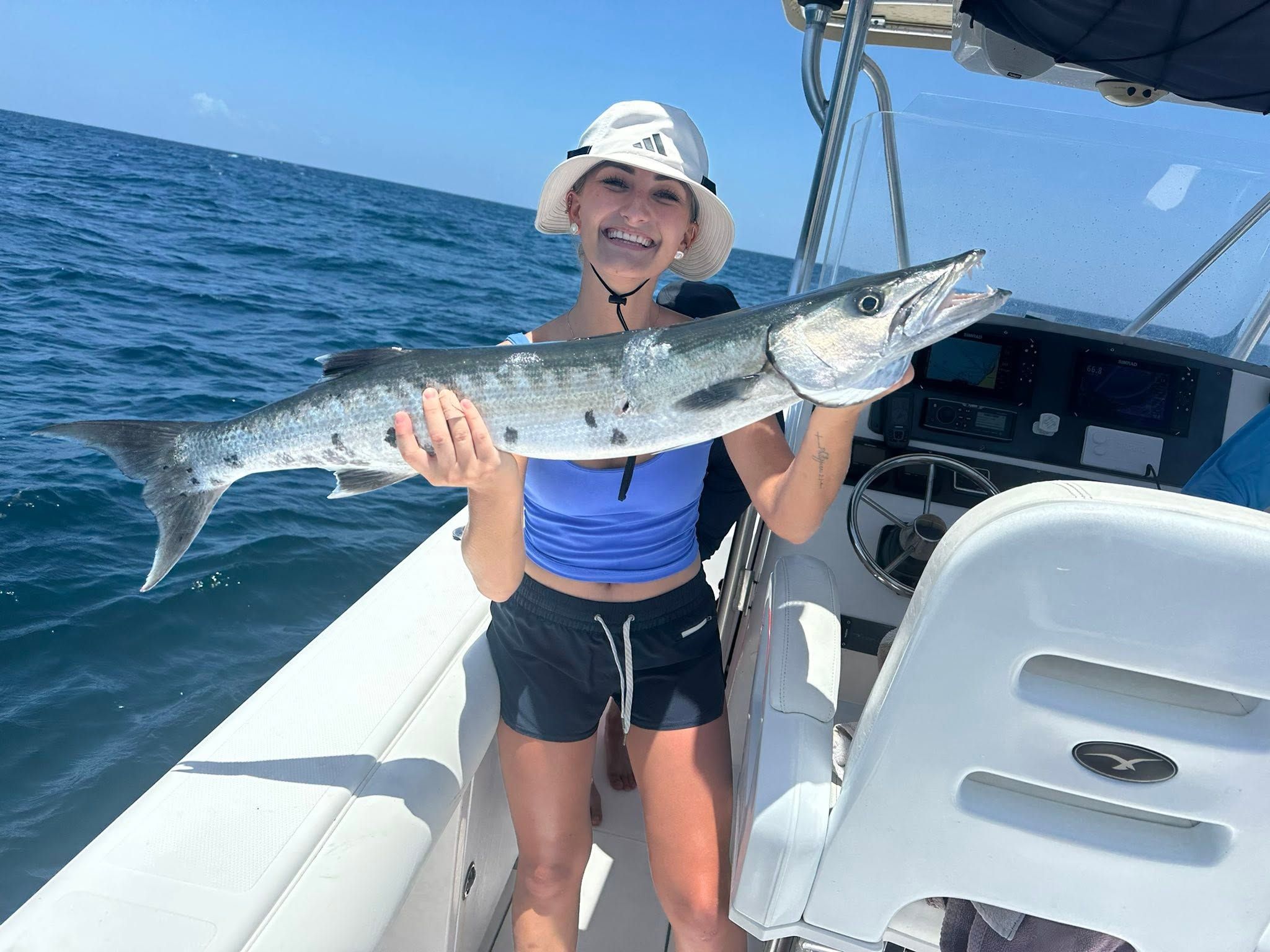
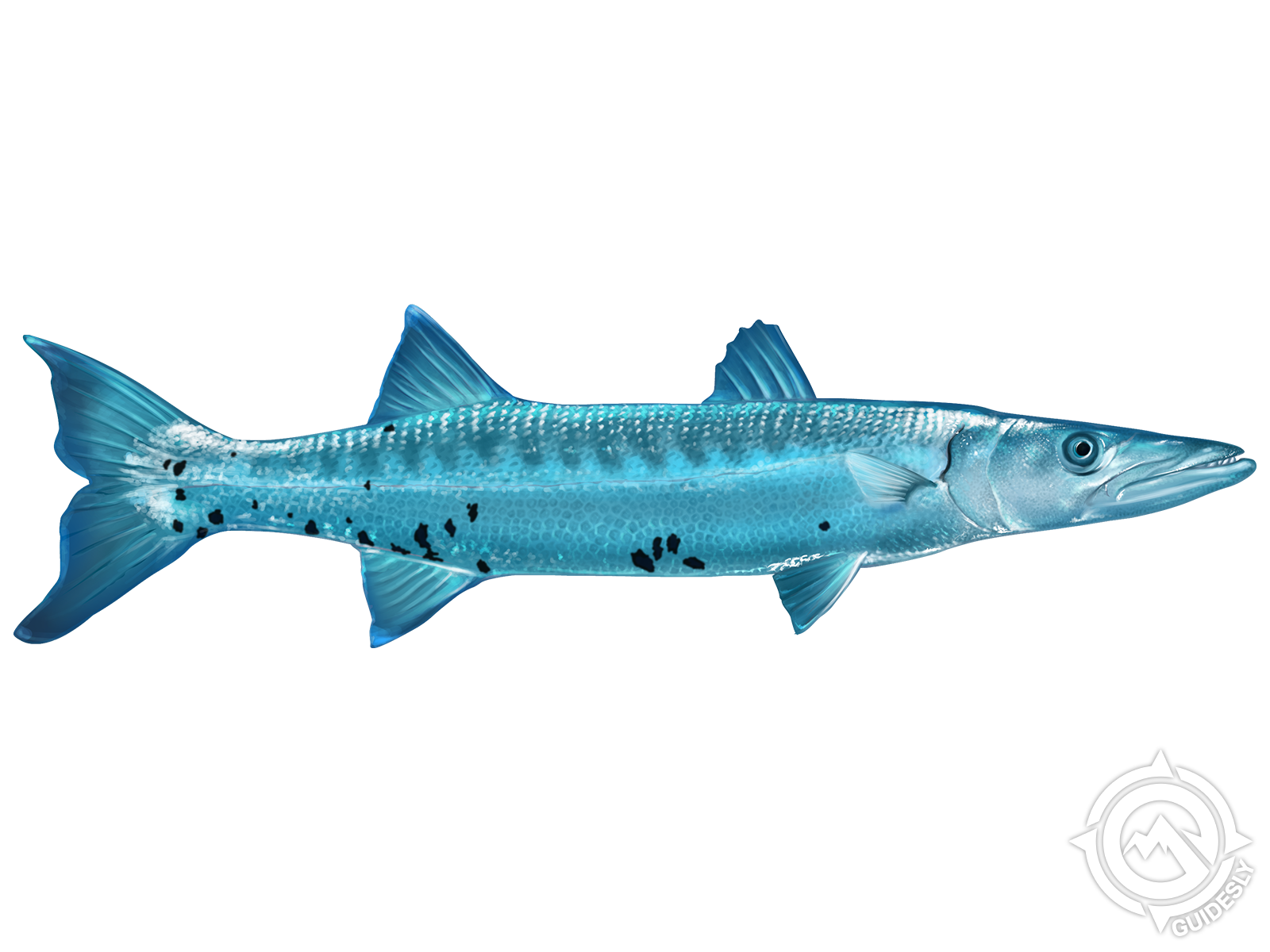
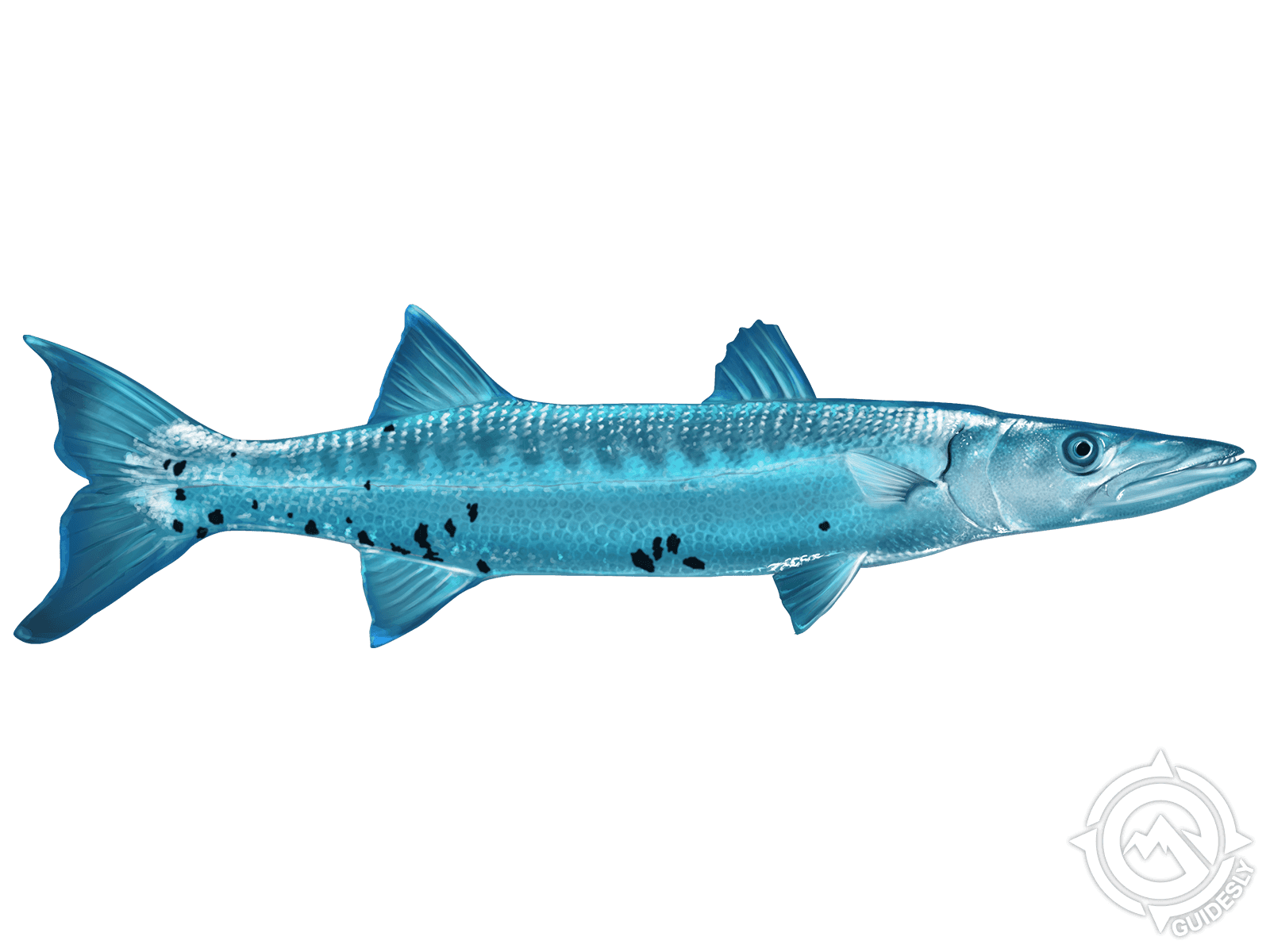
Barracuda are absolute rockets when they hit your trolling spread, often launching clear out of the water in spectacular jumps that'll get your heart pumping. These razor-toothed predators patrol the upper water column, especially around structure and current breaks, where they ambush baitfish with lightning speed. Most of our barracuda run 15-30 pounds, with the occasional 40+ pounder that'll test your drag and your nerves. They're most active during the warmer months, and what makes them so exciting is that explosive initial run – they'll strip 100 yards of line before you know what hit you. Plus, they're excellent table fare when prepared properly, despite what some folks think.
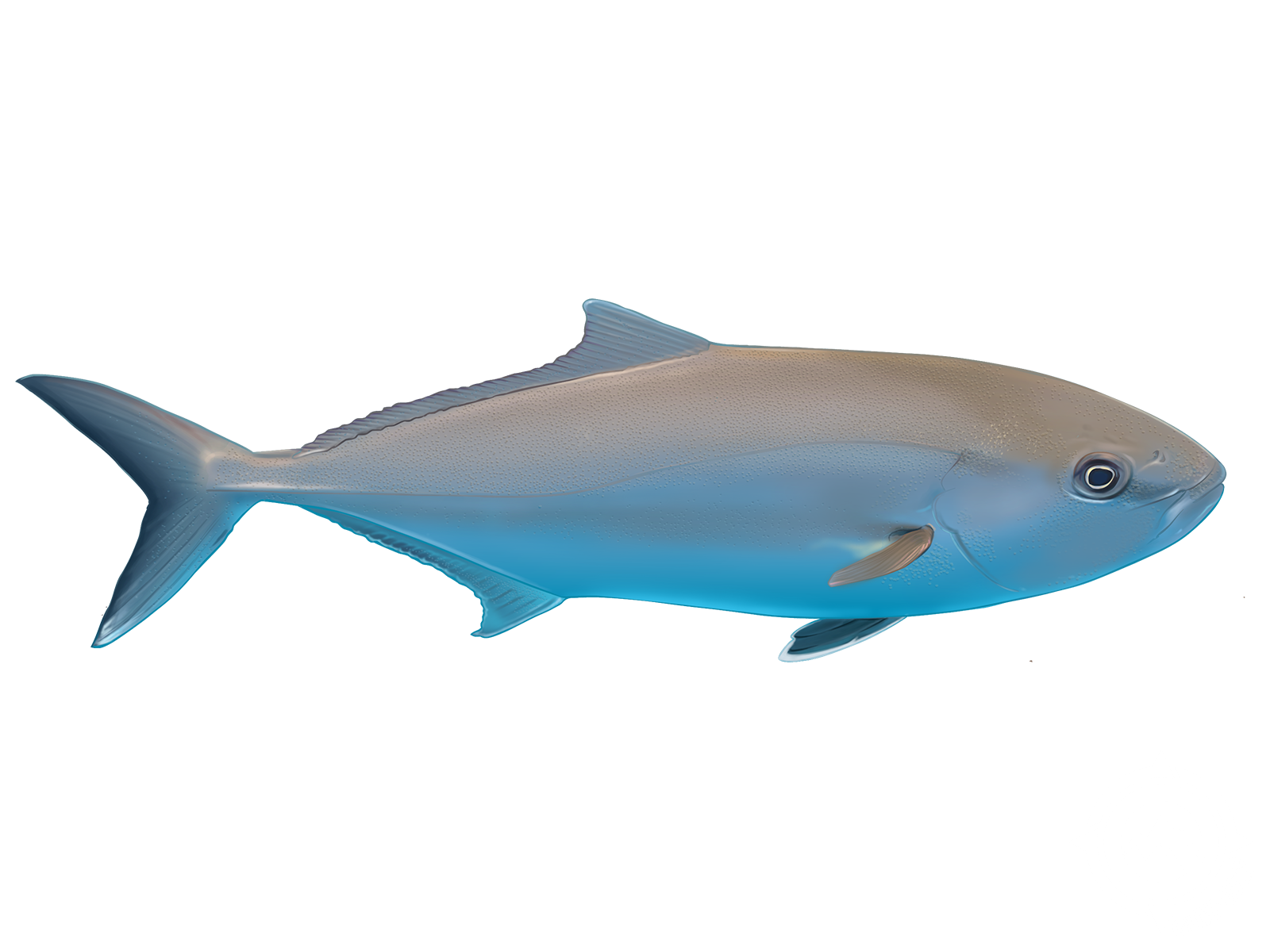
Greater Amberjack are the bulldogs of the deep, and when you hook into a 50-60 pound AJ on heavy tackle, you're in for a serious workout. These fish live around deep structure and wrecks, often suspended in the water column where they can ambush passing bait. They're incredibly strong fish that'll take you straight down into the structure if you let them, which is why we use heavy drag settings and don't mess around once the hook is set. Fall through early spring is prime time for the big amberjack, and they're suckers for live bait dropped right on their heads. What gets anglers fired up about AJ is that initial power dive – it's like trying to stop a freight train with fishing line.
Cobia are the ghosts of the Gulf, often appearing out of nowhere to investigate the boat or following rays and sharks along the bottom. These brown submarines can reach 40-50 pounds and are incredibly curious fish, which makes them fun to target with sight fishing techniques when conditions allow. They're most active in spring and fall, and what makes cobia special is their personality – they'll literally swim right up to the boat and look you in the eye before deciding whether to eat your bait. When they do commit, they're strong, stubborn fighters that make long runs and aren't afraid to dive deep.
Red Snapper remain the crown jewel of Gulf bottom fishing, and the deep offshore waters hold some true giants that rarely see fishing pressure. These bright red beauties are structure-oriented fish that can live for decades, with the biggest ones often exceeding 10 pounds and showing the scars of their long lives on the reef. During open season, they're aggressive biters that'll slam fresh bait, but they're also incredibly smart fish that require sharp hooks and quick reflexes. What makes red snapper so special is their combination of fight, beauty, and incredible eating quality – they're simply the complete package.
Gag Grouper are the heavyweights of the reef, with mature fish reaching 20-30 pounds and possessing the strength to break off unprepared anglers in seconds. These mottled brown bruisers live in caves and under ledges, where they use their powerful jaws to crush crabs and small fish. Gag grouper fishing is all about the first few seconds after hookup – you've got to turn their heads and get them away from structure before they can wrap you up. What gets grouper fishermen excited is that hea
Learn more about the species
Barracuda
These razor-toothed speedsters are some of the most aggressive fish you'll encounter out here. Averaging 2-4 feet with some reaching 6 feet, they hunt primarily by sight and can hit 35 mph when striking prey. You'll find them cruising near-shore structures, reefs, and drop-offs in 20-100 feet of water. Spring through fall gives you the best action when baitfish are thick. What makes them fun is that explosive strike - they'll absolutely hammer lures and put on a wild aerial show. The meat's decent eating too, firm and mild. Here's the trick: use shiny spoons or tube lures and work them fast near the surface. When you hook one, keep steady pressure because those teeth will slice through light leaders in a heartbeat. Always use a wire leader - learned that one the hard way.
Cobia
These brown, shark-looking fish are loners that cruise structures and open water, usually running 20-50 pounds with some giants pushing 100. You'll spot them around wrecks, buoys, and reefs in 30-100 feet, often following rays or sharks. Spring migration from April to June is peak season, but we catch them all summer near bottom structure. Guests love the fight - they're strong, stubborn bulldogs that make long runs. Plus, they're some of the best eating fish in the Gulf with firm, white meat that tastes like a cross between grouper and mahi. The trick is sight fishing - once you see one, drop a bucktail jig or live bait right in front of their nose. They're curious and will often follow the boat, giving you multiple shots. Use 4-8 oz jigs and don't worry about color - they'll eat anything.
Gag Grouper
These mottled grey bottom-dwellers are the heavyweights of the reef, typically running 5-20 pounds with some monsters pushing 50+ pounds. They live around offshore structure - wrecks, ledges, and rocky bottom in 60-200 feet of water. Winter and early spring are prime time when they move shallow to spawn. What makes them a favorite is the initial power surge when hooked, plus they're top-shelf eating with sweet, firm white meat. They'll try to dive straight back into their hole the second they feel steel, so you've got one chance to turn their head. Live pinfish or grunts work best, but cut bait like squid gets bit too. Here's the deal: once you hook up, lock that drag down and keep your rod tip low. Don't give them an inch or they'll wrap you around the nearest rock pile and it's game over.
Greater Amberjack
These bruisers are the bulldogs of the deep, averaging 20-40 pounds but capable of hitting 100+ pounds and 6 feet long. They patrol wrecks, reefs, and oil rigs in 60-200 feet of water, ambushing everything that swims by. April through October is prime time when they're most active and feeding heavily. What guests love is the raw power - these fish will test your tackle and your back with long, punishing runs straight down. The bluish-grey bodies with that distinctive amber stripe make them easy to identify. Table fare is solid, though larger fish can carry ciguatera. My go-to technique is dropping live bait or heavy jigs right to the bottom near structure. Keep your drag locked tight because they'll try to cut you off on the reef the second they feel the hook. Heavy tackle is a must - 50-pound test minimum.
Red Snapper
The king of bottom fishing, these bright red beauties average 2-8 pounds but can reach 35 pounds in deep water. They live around hard bottom, reefs, and wrecks in 60-200 feet, holding tight to structure where they ambush passing prey. Season runs June through July typically, though regulations change yearly. What makes them special is the combination of a solid fight and world-class table fare - sweet, flaky white meat that's restaurant quality. They'll give you that classic head-shaking battle trying to cut your line on the rocks. The key is getting fresh bait like cigar minnows or live pinfish down to the bottom quickly. Use enough weight to stay vertical and keep your drag locked tight - once hooked, you need to muscle them up and away from the structure immediately or they'll wrap you up and break off.
About the 29' Pro-Line Super Sport

Vehicle Guest Capacity: 4
Manufacturer Name: Suzuki
Maximum Cruising Speed: 50
Number of Engines: 2
Horsepower per Engine: 250