Red Snapper Catch Englewood FL - Charter Fishing
Red Snapper Fishing in Englewood - What to Expect

Fishing Charter by Captain Tom Bailas in September

- Offshore and Inshore Fishing in Venice, FL


Summary
This fishing charter in Englewood delivered an unforgettable red snapper catch on the waters off Venice, FL. The experience showcased why this Gulf Coast destination remains a premier spot for targeting snapper. Working with Captain Tom Bailas of TNT Fishing Charters on Wednesday, September 16th, the day proved the value of local expertise and proper technique on productive offshore grounds.
Fishing Charter with Captain Tom Bailas - Rates & Booking
Captain Tom Bailas of TNT Fishing Charters on Wednesday, September 16th delivered exactly what experienced anglers look for on the Gulf Coast. This fishing charter targets the productive waters off Venice and Englewood, where red snapper congregate around deeper structure and reefs. The charter operates from a fully equipped vessel designed for both comfort and fishing success, with all necessary tackle and expertise included. Booking with TNT Fishing Charters means working with a captain who understands the seasonal patterns and specific techniques that produce results on Gulf snapper grounds. Contact the charter directly to reserve your date and confirm group size, as availability fills quickly during peak fishing periods.
Highlights of This Fishing Charter
The red snapper bite demonstrated why this species remains one of the most sought-after Gulf catches. These fish respond aggressively to proper structure location and bait presentation, and the day showed the consistency possible when fishing with someone who knows exactly where to position the boat. The offshore environment around Venice and Englewood waters creates ideal habitat for red snapper to thrive, and the charter's ability to access these deeper zones separates a memorable day from an average outing.
Being on the water in Gulf Coast conditions brings its own reward beyond the catch itself. The rhythm of working structure, the anticipation between drops, and ultimately the powerful take of a solid red snapper creates a day that stays with you long after you leave the dock. Captain Bailas managed the fishing strategically, reading conditions and adjusting approach as the day progressed to maximize both the number and quality of catches.
Local Species Insights: Red Snapper
Red snapper represent one of the Gulf's most recognizable and prized gamefish, and they're particularly abundant in the Englewood and Venice area. These fish inhabit deeper waters along reefs, rocky outcrops, and artificial structure, typically found at depths where bottom composition transitions from sand to harder terrain. Red snapper are aggressive feeders that respond well to live and cut bait presentations, and their powerful fighting style makes every hookup exciting.
What makes red snapper special in these Gulf waters is their seasonal abundance combined with their aggressive nature. Unlike some species that require subtle technique, red snapper bite confidently when bait is presented correctly on productive structure. The fish grow substantially in Gulf waters, with keeper-size snapper providing genuine trophy potential. They school together, which means once you locate the right depth and structure, consistent action typically follows. The environment around Englewood and Venice supports robust snapper populations year-round, though spring and fall typically produce the most reliable opportunities.
Fishing for red snapper teaches respect for depth and structure. These fish don't roam wide open water looking for food - they stay tied to specific bottom features where they hunt efficiently. This makes the captain's local knowledge crucial. Understanding where snapper concentrate, how they relate to seasonal water temperature changes, and what baits trigger the best response separates productive days from slow ones. The catch pictured here represents the culmination of reading conditions, finding the right marks on the bottom, and executing proper technique when the opportunity presented itself.
Plan Your Fishing Day
A typical charter day with TNT Fishing Charters involves early morning departure to reach the best offshore structure while fish are actively feeding. The charter accommodates anglers of various skill levels, with Captain Bailas providing guidance on technique and helping ensure everyone has an opportunity at fish. The boat is equipped with tackle, safety equipment, and the positioning systems necessary to locate productive snapper habitat efficiently. Most charter anglers spend their day working structure vertically, feeling for the bottom and detecting bites through rod sensitivity. Weather plays a role in scheduling, as Gulf conditions can change, but the captain works within safe parameters to get anglers on productive grounds whenever possible. Bring sun protection, wear appropriate footwear for the deck, and plan for a full day of active fishing rather than passive waiting.
Fishing in Venice, FL: Red Snapper
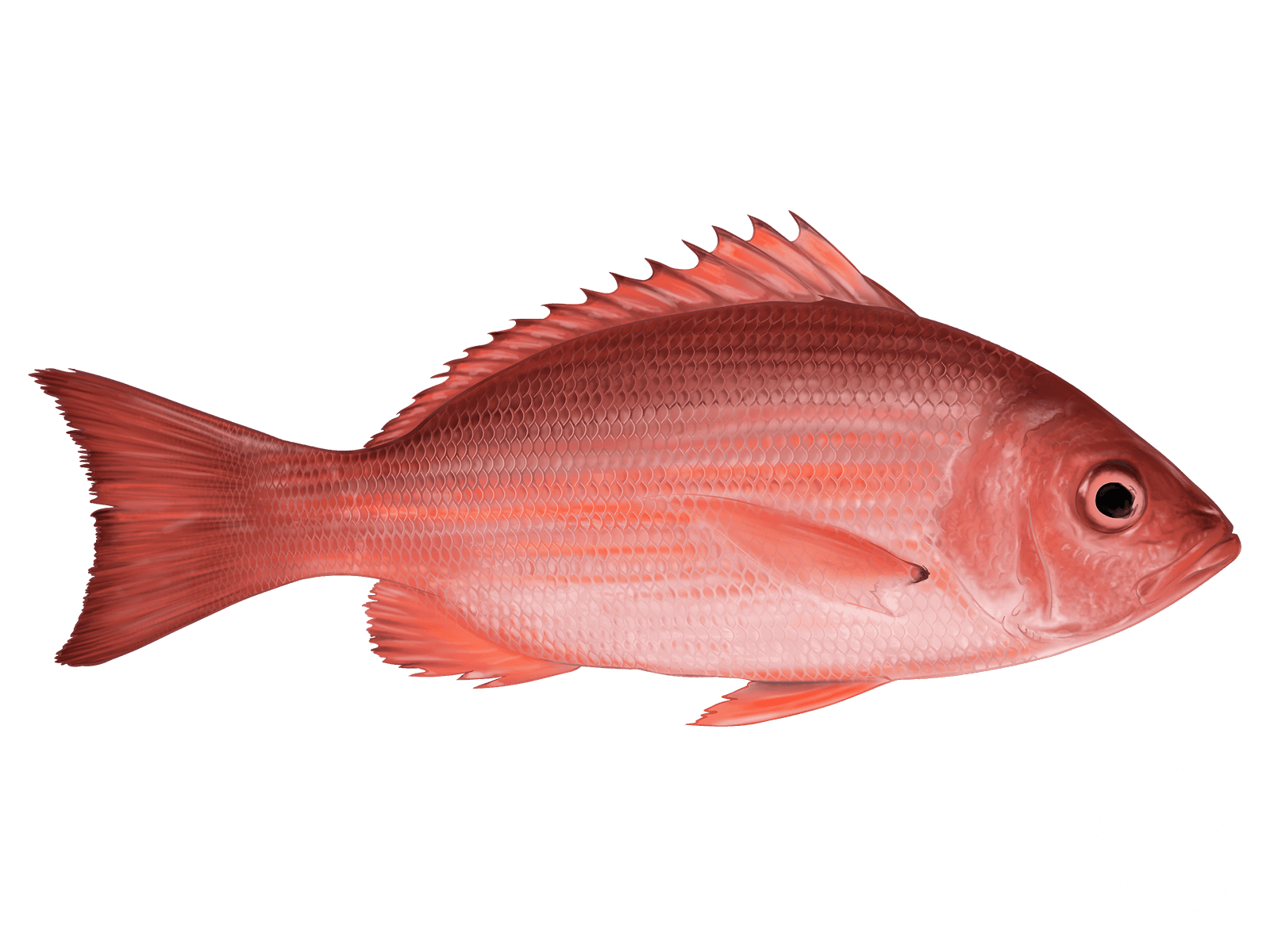
Red Snapper (Lutjanus campechanus) Overview
The Red Snapper, scientifically known as Lutjanus campechanus, belongs to the family Lutjanidae within the order Perciformes. This exceptional gamefish is one of the most sought-after species along the Atlantic coast and throughout the Gulf of Mexico, renowned for its brilliant red coloration, aggressive strike, and exceptional table quality. Red Snapper are true bottom dwellers that transform from pale pink juveniles into deep crimson adults, earning their reputation as trophy catches for both recreational anglers and commercial fisheries. Whether you're planning a fishing adventure in the Gulf of Mexico or exploring coastal waters, understanding this remarkable species will enhance your experience on the water.
Red Snapper Habitat and Distribution
Red Snapper thrive in the deep waters of the Atlantic coast and Gulf of Mexico, typically found at depths ranging from 30 to 620 feet. These fish prefer water temperatures between 50 and 70 degrees Fahrenheit, making them most active during moderate seasonal conditions. Juveniles inhabit shallower inshore areas with muddy bottoms, gradually migrating to deeper waters near structure as they mature. Adult Red Snapper are predominantly found near artificial and natural structures including reefs, wrecks, rocky outcroppings, and debris fields that provide shelter and concentrate forage fish. The Gulf of Mexico remains the primary hotspot for Red Snapper populations, with substantial populations extending down the eastern seaboard. Areas around Louisiana, Texas, and Florida's Gulf coast are particularly productive for encountering these fish.
Red Snapper Size and Weight
Red Snapper demonstrate impressive growth potential, with typical specimens caught by anglers ranging from 19 to 39 inches in length and weighing between 5 to 20 pounds on average. However, these fish can grow considerably larger under optimal conditions, with documented specimens exceeding 3 feet in length and weighing over 35 pounds. The world record Red Snapper weighed an astounding 50 pounds 4 ounces, a legendary catch landed off Louisiana waters in 1966. Most Red Snapper encountered in modern fisheries are between 4 to 6 years old, reflecting current population dynamics and regulatory management. These fish possess remarkable longevity, with lifespans exceeding 20 years, allowing mature individuals to reach exceptional sizes and weights.
Red Snapper Diet and Behavior
Red Snapper are carnivorous bottom feeders with a diverse diet consisting primarily of smaller fish and crustaceans. Their preferred prey includes cigar minnows, pinfish, pigfish, live squid, shrimp, and octopus, reflecting their opportunistic feeding strategy in deep-water environments. These aggressive hunters are most active during dawn and dusk periods, though they feed throughout daylight hours, particularly during slack tide periods when visibility and feeding conditions are optimal. Red Snapper exhibit strong territorial behavior, remaining in proximity to structure and cover where they ambush passing prey. Their reputation as fierce fighters stems from their powerful strikes and determined runs toward nearby cover—a characteristic that makes them exhilarating opponents for anglers. When hooked, Red Snapper will aggressively attempt to reach nearby structure, making rod strength and sharp hooks essential for successful encounters.
Red Snapper Spawning and Seasonal Activity
Red Snapper reach sexual maturity around 5 to 8 years of age, with larger, older females producing substantially greater numbers of eggs than their younger counterparts. A single 24-inch female can produce as many eggs as 212 seventeen-inch females, making size-selective reproduction a critical management consideration. The spawning season extends from May through October, with peak activity occurring during warmer months when water temperatures optimize reproductive success. Fertilized eggs drift to the surface and hatch within approximately one day, with larvae remaining in the planktonic water column before settling into shallow nursery habitats after about one month. As juvenile Red Snapper grow, they gradually migrate to deeper waters where they eventually establish residence near structure in the deep Gulf. This life history transition from shallow nurseries to deep offshore habitats reflects the species' adaptation to distinct environmental zones throughout their development.
Red Snapper Techniques for Observation and Capture
Bottom Fishing with Heavy Rigs: The most effective method for catching Red Snapper involves deploying heavy multi-hook rigs dressed with weights substantial enough to maintain bottom contact in deep water. Electric reels, manual reels, and handlines all prove effective when rigged properly. Bait your hooks with live pinfish, cigar minnows, fresh squid, or live shrimp, then lower your presentation to the bottom where Red Snapper congregate. The key to success lies in keeping your bait at or near bottom structure where these fish feed. Around the Gulf of Mexico's major fishing ports, charter captains utilize GPS and sonar to locate wreck structures and reef systems, deploying rigs precisely over productive bottom. Expect powerful strikes and immediate runs toward cover—maintain steady upward pressure to prevent your line from cutting on structure.
Fly Fishing for Surface-Active Fish: When Red Snapper move shallow or feed near the surface, fly fishing presents an exciting and productive alternative to traditional bottom techniques. Rig an 11 to 13-weight fly line with Clouser minnow or deceiver patterns that mimic local forage species. Some anglers employ chum slicks to concentrate Red Snapper before casting, then strip flies with erratic, natural-looking retrieve patterns. Present your fly to rising fish and work it back toward deeper water with consistent stripping action—Red Snapper will aggressively attack moving flies that resemble fleeing prey species. This technique works particularly well during early morning hours and slack tides when Red Snapper move into shallower water.
Targeting Structure and Seasonal Timing: Success with Red Snapper depends heavily on identifying productive structure and timing your fishing efforts around seasonal patterns. Focus on natural and artificial reefs, shipwrecks, rock formations, and other bottom features that hold concentrated populations. Spring and early summer, when water temperatures warm and spawning activity increases, represent prime fishing seasons. Target dawn and dusk periods when feeding intensity peaks, and plan your trips around slack tide periods when Red Snapper feed most aggressively.
Red Snapper Culinary and Nutritional Value
Red Snapper ranks among the most prized culinary fish, commanding premium prices in seafood markets and restaurants throughout the nation. The flesh features a mild, slightly nutty flavor profile with firm texture that holds up exceptionally well to various cooking methods. Whether baked, pan-fried, grilled, or steamed, Red Snapper delivers outstanding eating experiences that have made it an enduring favorite among seafood enthusiasts. To fully appreciate the delicate natural flavors, many chefs recommend minimal seasoning—simple preparations featuring salt, pepper, and fresh lemon juice allow the fish's inherent qualities to shine. Beyond culinary appeal, Red Snapper offers impressive nutritional benefits, serving as an excellent source of omega-3 fatty acids essential for cardiovascular and cognitive health. The fish is naturally low in calories, high in complete protein, and contains minimal saturated fat, making it an ideal choice for health-conscious diners. Red Snapper provides abundant B12 and vitamin D, along with important minerals including iron and potassium. Regular consumption supports heart health, enhances brain function, boosts immune response, and promotes healthy skin and hair development.
Red Snapper Frequently Asked Questions
Q: What is the best bait for catching Red Snapper?
A: Live pinfish and cigar minnows consistently outperform other bait options, particularly for larger specimens. Fresh squid, live shrimp, pigfish, and octopus also produce excellent results. The key lies in presenting fresh, lively bait on heavy rigs that reach bottom structure where Red Snapper feed. Experiment with combinations to determine what works best in your specific fishing location.
Q: Where can I find Red Snapper fishing opportunities in the Gulf of Mexico?
A: Major fishing ports throughout Louisiana, Texas, and Florida's Gulf coast provide excellent access to Red Snapper populations. Charter services in these areas operate specialized trips targeting deep-water structure. Public fishing piers in coastal communities occasionally offer opportunities during peak seasons, though private boat access typically provides superior fishing success.
Q: Is Red Snapper good to eat?
A: Absolutely—Red Snapper is exceptional table fare featuring mild, slightly nutty flavor and firm white flesh. The fish is highly nutritious, rich in omega-3 fatty acids, and works beautifully with various cooking methods. Most culinary experts recommend simple preparations that highlight natural flavors rather than heavy seasoning.
Q: When is the best time to catch Red Snapper?
A: The spawning season from May through October represents peak activity periods, with summer months typically offering the most consistent fishing. Within each day, dawn and dusk periods produce the most aggressive feeding activity. Slack tides create optimal feeding conditions regardless of season.
Q: How deep do I need to fish for Red Snapper?
A: Red Snapper inhabit depths ranging from 30 to 620 feet, though most productive fishing occurs between 60 and 300 feet. Always check current regulations and use GPS/sonar to identify structure at appropriate depths for your specific fishing area.
Q: What equipment do I need for Red Snapper fishing?
A: Heavy-duty conventional or electric reels paired with sturdy rods rated for deep-water applications work best. Bring quality multi-hook rigs with substantial weights, sharp hooks in appropriate sizes, and durable line rated for the depths and structure you'll encounter. Experienced anglers recommend having backup tackle and extra rigs to maximize fishing time.