Fresh Catch Grey Snapper Yellowfin Hogfish Englewood FL
Fishing in Englewood - Fresh Catches and Local Waters

Fishing Charter by Captain Tom Bailas in September

- Offshore and Inshore Fishing in Venice, FL


Summary
Join Captain Tom Bailas on a Wednesday in September for an unforgettable fishing charter in Englewood, FL. This fishing charter delivers the real deal - fresh-caught grey snapper, yellowfin, and hogfish at the marina cleaning table. Whether you're after trophy species or a memorable day on the water, TNT Fishing Charters puts you right in the action with local expertise and proven results.
Fishing Charter with Captain Tom Bailas - Rates & Booking
Captain Tom Bailas of TNT Fishing Charters on Wednesday, September 16th brings years of local knowledge to every trip departing from Englewood, FL. This fishing charter experience puts you on productive waters where grey snapper, yellowfin, and hogfish are waiting. To book your adventure or learn about current rates and availability, reach out to TNT Fishing Charters directly for the best package options that fit your group and schedule.
Highlights of Your Fishing Experience
The real payoff of a day with Captain Tom is what you see at the cleaning table - quality fish and honest results. Englewood's nearby waters hold year-round opportunities, with deeper offshore structures producing consistent catches. You'll experience the satisfaction of landing real fish in a working marina setting where crews know every productive spot.
The mix of species tells the story - grey snapper for action and eating quality, yellowfin for power and fight, and hogfish as a local favorite that makes excellent table fare. It's the kind of variety that keeps everyone on the boat engaged throughout the day.
Local Species Insights: What You'll Be Targeting
Grey snapper are foundation fish around Englewood. They're structure hunters that respond to natural presentations and live bait. You'll find them around reefs, wrecks, and drop-offs in the 30 to 60-foot range. They fight hard for their size and make exceptional eating - mild, flaky, and versatile in the kitchen.
Yellowfin tuna represent the offshore option, and catching them means you're tapping into serious gamefish territory. These are fast, aggressive hunters that school up and feed actively. When yellowfin are biting, it's electric - they take line hard and demand respect. The fight is what people remember and talk about for months afterward.
Hogfish are local treasures. They're beautiful fish with distinctive features and personalities. Found around rocky areas and reef systems, they're intelligent feeders that require good technique and proper presentation. Targeting hogfish with the right approach is an art form, and bringing one to the boat feels like an earned victory.
Englewood's position gives you access to the Gulf with relatively short runs to productive grounds. The shallow-water reefs and nearshore structure hold fish year-round, while deeper offshore areas produce during the right seasons. Captain Tom knows the seasonal patterns, current conditions, and where the fish are moving - information that translates directly into your success on the water.
The marina setting at Englewood creates a real working environment where you're part of the fishing community. You'll see experienced crews preparing equipment, boats coming and going, and the honest results of people who make their living from these waters. It's authentic fishing, not a theme park version.
Fishing in Venice, FL: Grey Snapper, Hogfish and Yellowfin
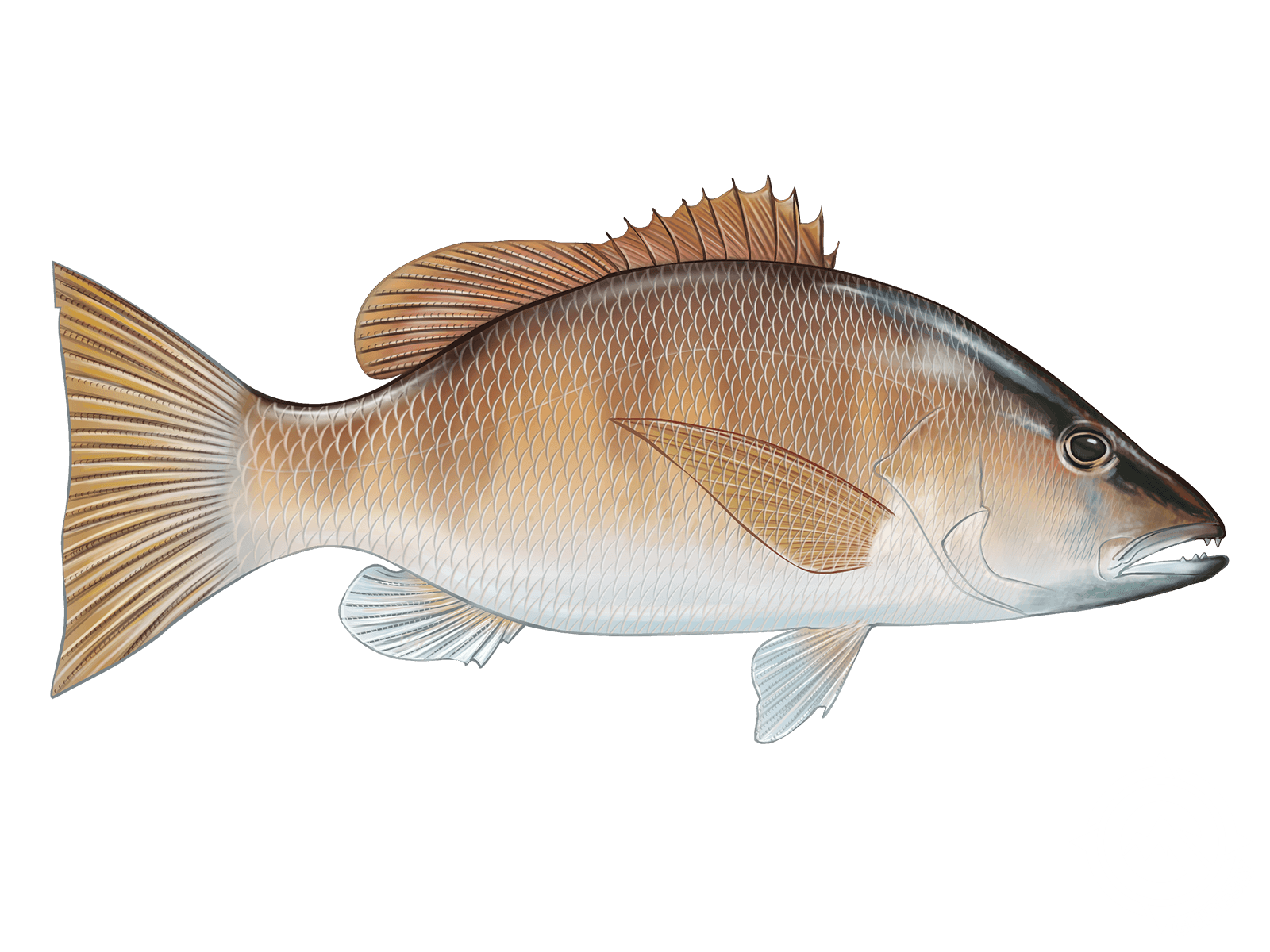
Grey Snapper Overview
The Grey Snapper, scientifically known as Lutjanus Griseus and commonly called the Mangrove Snapper, is a member of the Lutjanidae family within the order Perciformes. This remarkable fish is instantly recognizable by its striking greyish-red coloration that transitions from copper-red to brilliant red, along with a distinctive dark stripe running across its eye. With a pointed snout, thin lips, and small teeth, the Grey Snapper is one of the most abundant snapper species and a favorite among anglers and seafood enthusiasts alike. Found throughout warm to temperate waters from coastal reefs to mangrove-lined backcountry, this swift, nocturnal hunter is native to regions where it thrives as an opportunistic predator, making it a fascinating subject for both observation and fishing experiences.
Grey Snapper Habitat and Distribution
Grey Snappers are creatures of structure and cover, preferring environments rich with natural and artificial obstacles. They inhabit canals, grass flats, mangrove forests, rocky outcrops, shipwrecks, and debris fields in warm to temperate waters. These fish are distributed across onshore and nearshore reef systems, backcountry flats, rivers, and lakes where water conditions remain stable and prey is abundant. The species thrives in areas with strong water columns and complex bottom structures that provide ideal ambush points for their opportunistic hunting style. Whether you're exploring shallow backcountry regions or deeper reef systems, Grey Snappers are likely to be present in any location offering adequate cover and consistent food sources.
Grey Snapper Size and Weight
While Grey Snappers typically measure between 10 to 14 inches and weigh 1 to 2 pounds when found inshore, they can achieve significantly larger proportions in open water environments. Specimens caught offshore commonly reach weights of 20 pounds, though inshore fishing typically yields catches of 3 to 4 pounds. The size range for notable catches generally falls between 30 to 35 inches in length, with weights reaching up to 8 pounds in productive fishing waters. Juvenile Grey Snappers tend to display darker coloration than their adult counterparts, making them visually distinct at different life stages.
Grey Snapper Diet and Behavior
As opportunistic carnivores, Grey Snappers display flexible feeding habits and are most active during nighttime hours. Young specimens congregate near seagrass beds where they feast on a variety of crustaceans and smaller fish, while juveniles and adults alike will consume zooplankton when available. Their diet becomes increasingly piscine as they mature, focusing primarily on small fish and crustaceans. These swift swimmers are not aggressive toward humans but are highly effective ambush predators, using their speed and structural cover to seize feeding opportunities. The nocturnal nature of Grey Snappers means they feed and move most actively after sunset, making them particularly responsive to nighttime fishing efforts.
Grey Snapper Spawning and Seasonal Activity
Grey Snappers display remarkable reproductive behavior, spawning millions of eggs during full moon periods. This synchronized spawning pattern contributes to their status as the most abundant species within their genus, ensuring healthy population numbers across their range. The lunar-driven spawning cycle means that fishing success can vary depending on moon phases, with some anglers noting increased activity and feeding before and after major spawning events. Understanding these seasonal patterns can significantly enhance your chances of successful encounters with this prolific species.
Grey Snapper Techniques for Observation and Capture
Live Bait Method (Primary Technique): The most effective approach for catching Grey Snappers involves using live bait, particularly live shrimp or mud minnows. Thread your line through a bobber and tie it to a 4J hook, ensuring your line can withstand abrasion. Insert the hook through the tail of your shrimp rather than the head to maximize bait longevity. Allow your bait to sink to the bottom, then reel up slightly to prevent snagging. Position yourself at beach piers, docks, or near water column structures where Grey Snappers congregate. Since these fish are opportunistic hunters, avoid excessive bobbing or movement that might deter them. Wait patiently for a tug, then reel steadily to set the hook before slowly bringing your catch to the surface.
Structural Fishing (Secondary Technique): Target mangrove forests, rocky reefs, shipwrecks, and debris fields during both day and night. In open water, allow your bait to sink deep into reef systems to draw out larger specimens. The complex structure provides the cover these ambush predators prefer. Cast near pilings, undercut banks, and fallen trees in river and lake environments.
Timing and Location Insight: Around popular fishing destinations in coastal Florida and throughout the Gulf region, evening and night fishing during full moon periods often produces exceptional results. Early morning hours before sunrise also yield productive catches as nocturnal feeders transition back to deeper resting areas.
Grey Snapper Culinary and Utilization Notes
The Grey Snapper has earned a stellar reputation among seafood enthusiasts for its exceptional table qualities. The meat is prized for being white, flaky, and tender with a mild, delicate flavor that appeals to diverse palates. Rich in high-quality protein and omega-3 fatty acids, this snapper provides excellent nutritional value. The species' culinary popularity combined with its abundance makes it both a sustainable and delicious choice for coastal dining. Whether grilled whole, filleted and pan-seared, or prepared in traditional fish stews, the Grey Snapper delivers consistent culinary satisfaction.
Grey Snapper Frequently Asked Questions
Q: What is the best bait for catching Grey Snappers?
A: Live shrimp rigged through the tail and live mud minnows are the top choices recommended by experienced anglers. The key is keeping your bait alive and naturally presented near the bottom where these opportunistic hunters patrol.
Q: Where can I find Grey Snappers in coastal waters?
A: Look for them around mangrove forests, grass flats, rocky reefs, pilings, docks, and shipwrecks. In backcountry environments, structure is your best indicator of Grey Snapper presence. Around Florida's Gulf Coast and throughout southern coastal regions, these habitats consistently hold productive populations.
Q: Is the Grey Snapper good to eat?
A: Absolutely. The Grey Snapper is highly regarded for its white, flaky, tender meat with a mild flavor. It's an excellent eating fish with good nutritional value, making it a favorite among both recreational and commercial fishermen.
Q: When is the best time to catch Grey Snappers?
A: While Grey Snappers are active throughout the year, they are primarily nocturnal feeders, making evening, night, and early morning hours most productive. Full moon periods trigger spawning and often increase feeding activity, making them excellent target dates for fishing trips.
Q: How do I distinguish a Grey Snapper from a Cubera Snapper?
A: Open the fish's mouth and examine the tooth patch. Grey Snappers have a triangular-shaped tooth patch without extensions, while Cubera Snappers display an arrow-shaped patch with extensions. This distinctive difference is the most reliable identification method.
Q: What makes Grey Snappers different from other snapper species?
A: Beyond their unique tooth structure, Grey Snappers are distinguished by their greyish-red coloration, dark eye stripe, pointed snout, and thin lips. They're also more abundant than most other snapper species and prefer shallower, structure-rich environments like mangrove forests and grass flats.
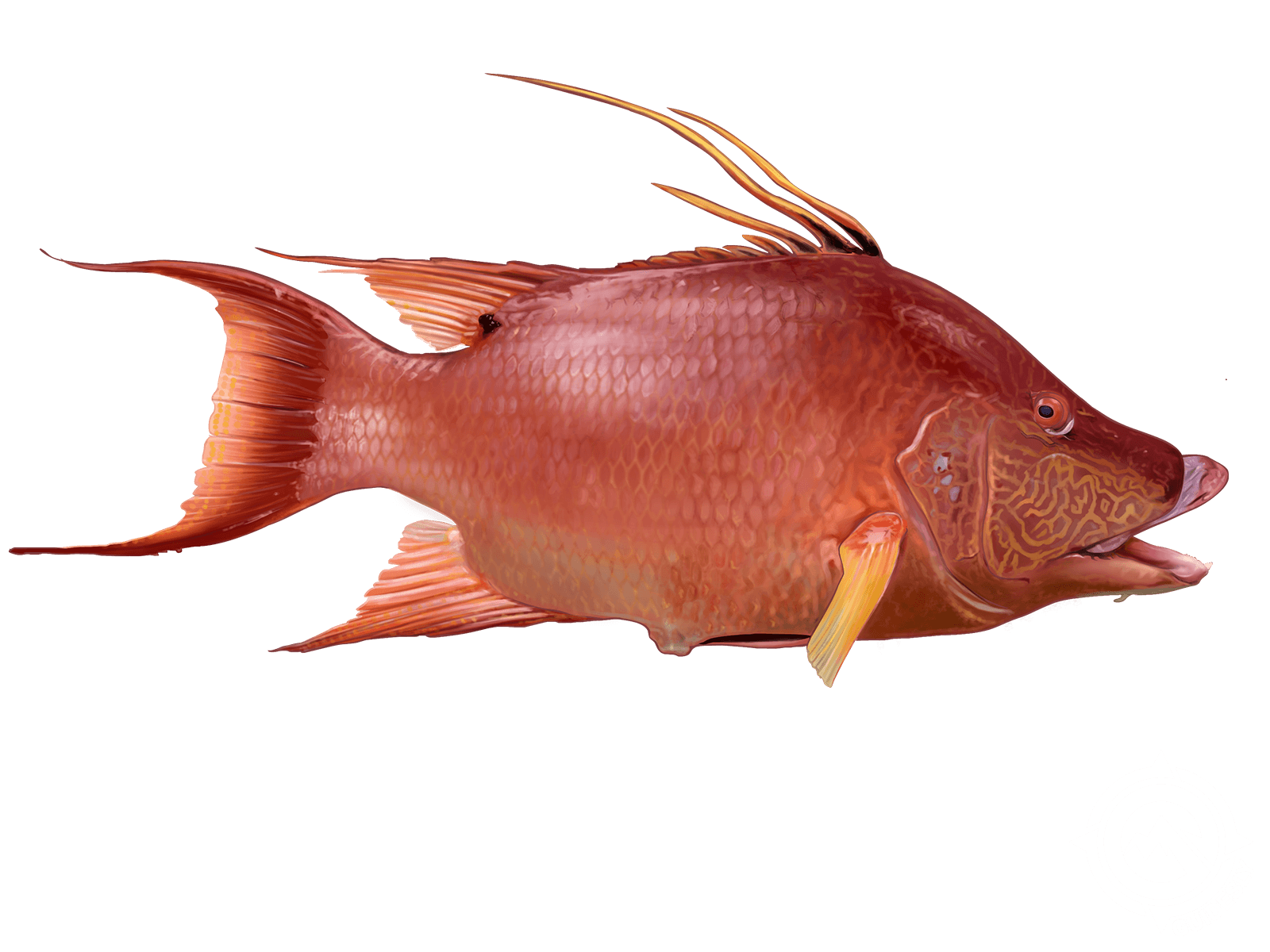
Hogfish Overview
The Hogfish, scientifically known as Lachnolaimus maximus, is a member of the Labridae family within the order Perciformes. This remarkable wrasse gets its common name from its distinctively prominent snout, which closely resembles that of a pig—a feature that makes it instantly recognizable to divers and anglers alike. What makes the Hogfish truly special is not just its appearance but its behavior; these curious fish are known to swim alongside divers and investigate new sounds in the water with an almost playful inquisitiveness. Found throughout reef systems and structured habitats along coastal areas, the Hogfish has become a favorite target for both recreational anglers and spearfishers seeking an exciting challenge and a rewarding catch.
Hogfish Habitat and Distribution
Hogfish are predominantly found in open bottoms and coral reef environments, preferring depths ranging from 10 to 100 feet (3 to 30 meters). They show a strong affinity for the edges of reefs where they form small, organized schools. These fish are particularly attracted to hard sand and rock bottoms, areas rich in the shellfish and crustaceans they depend on for food. Structurally, they favor hardbottoms with small cracks and live corals, as well as rocky areas with at least 1 to 5 feet of relief and natural ledges. Around popular fishing destinations like the Florida Keys and throughout the Caribbean, Hogfish congregate in predictable zones, making them accessible to both experienced and novice anglers willing to seek out the right habitat.
Hogfish Size and Weight
Adult Hogfish typically range from 10 to 36 inches in length, with most specimens weighing between 8 and 24 pounds. The largest specimens on record have reached approximately 3 feet (0.91 meters) in length and tipped the scales at around 22 pounds (10 kilograms). Juvenile Hogfish are noticeably smaller and tend to focus their feeding efforts more heavily on mollusks and echinoderms before transitioning to a more diverse diet as they mature. The sexual maturity of these fish—and their ability to change gender—typically occurs around 3 years of age, which corresponds to a certain size threshold within their population.
Hogfish Diet and Behavior
As carnivorous feeders, Hogfish are equipped with specialized canine teeth designed for shredding and processing tough shellfish and crustaceans. Their hog-like snout serves as a primary foraging tool, allowing them to dig through sand and reef rubble much like a pig rooting in soil. They actively consume mud crabs, small crabs, sea urchins, and a variety of mollusks, using their snout and teeth in coordinated fashion to expose and extract prey. Behaviorally, Hogfish are notably curious and bold; they're attracted to vibrations and sound in the water and tend to investigate anything that might signal a food source. However, this aggressive feeding behavior comes with a territorial streak—these fish are known bullies that harass smaller species, establishing dominance within their schools. Interestingly, Hogfish are hermaphroditic, with the ability to change from female to male once reaching a certain size and maturity level, a phenomenon that maintains balance within their hierarchical social structure.
Hogfish Spawning or Seasonal Activity
Hogfish reach sexual maturity at approximately 3 years of age, at which point females have the biological capacity to transform into males based on environmental cues and their position within the school hierarchy. They typically live in schools with one dominant male and multiple females, though this dynamic shifts when a female grows sufficiently large to trigger a gender transition. The presence of a black spot behind the pectoral fins is an exclusive male characteristic, making sex identification straightforward for experienced observers. While specific spawning seasons vary by region and water temperature, these fish remain relatively active year-round in tropical and subtropical waters, with increased feeding intensity during warmer months when prey is more abundant.
Hogfish Techniques for Observation or Capture
Spearfishing Method: Many experienced anglers and divers favor spearfishing as the most effective technique for pursuing Hogfish. This method requires a steady hand, sharp reflexes, and knowledge of reef structure. Approach areas with hard bottoms, live coral, and rocky formations where these fish congregate. Move slowly and deliberately, allowing the fish to become accustomed to your presence. Hogfish are naturally curious and may swim toward you, especially if you create subtle vibrations or sounds in the water—mimicking the disturbance of prey. A quality speargun with good accuracy range (typically 4 to 8 feet) increases your success rate significantly.
Hook and Line with Live Bait: While traditional hook-and-line fishing presents challenges due to their snout and aggressive strikes, it remains viable with the right approach. Use live mud crabs or live shrimp as bait; the struggling motion and sound generated by live prey will attract nearby Hogfish. Cast near structure—ledges, rocky outcroppings, and reef edges—and be prepared for fast, hard strikes. Medium to medium-heavy tackle with quick reflexes is essential, as these fish don't hesitate once they commit to a strike. Around popular destinations like the Florida Keys, hiring a local guide familiar with prime Hogfish territory dramatically increases your chances of connecting with these aggressive feeders.
Attraction and Curiosity-Based Tactics: Take advantage of the Hogfish's inquisitive nature by creating underwater noise and vibrations. Some anglers report success using chumming techniques near structured areas, which draws fish closer while you prepare your rod or spear. The species' boldness means they'll often investigate divers and snorkelers, so remaining calm and moving deliberately can lead to excellent photo opportunities or capture attempts.
Hogfish Culinary or Utilization Notes
Hogfish has earned a solid reputation among seafood enthusiasts and is considered good eating with mild flavor and subtle sweet undertones. The meat is firm and white, making it versatile for various cooking methods—grilling, pan-searing, and baking are all popular preparations. Some anglers and chefs argue that Hogfish actually surpasses Grouper in sweetness and overall flavor quality, making it a prized table fish throughout the Caribbean and Florida. From a nutritional standpoint, Hogfish is rich in protein and omega-3 fatty acids, supporting a healthy diet. The species is sustainably abundant in most regions where it's found, meaning responsible harvesting aligns well with environmental stewardship.
Hogfish Frequently Asked Questions
Q: What is the best bait or technique for catching Hogfish?
A: Live mud crabs and live shrimp work exceptionally well as bait, as their movement and vibrations attract Hogfish. However, spearfishing is considered the gold standard by most experts due to the species' aggressive nature and fast strikes. If using hook and line, be prepared for explosive takes and have your drag set appropriately to handle powerful runs.
Q: Where can I find Hogfish, especially around popular fishing destinations?
A: Hogfish thrive in structured reef environments, hard-bottom areas, and rocky ledges at depths between 10 and 100 feet. Look for areas with live coral, small cracks in the reef, and noticeable relief. Around locations like the Florida Keys, charter captains know the best Hogfish grounds, typically on reef systems and near prominent wrecks where structure attracts these fish in numbers.
Q: Is Hogfish good to eat?
A: Absolutely. Hogfish is considered excellent eating with mild, sweet meat that many compare favorably to Grouper. The white, firm flesh is versatile and takes well to most cooking techniques. It's also nutritionally dense, offering good protein and omega-3 fatty acids, making it both delicious and health-conscious.
Q: When is the best time to fish for Hogfish?
A: Hogfish are active year-round in tropical and subtropical waters, but feeding intensity increases during warmer months when prey availability is highest. Morning hours and overcast days often produce consistent results, as these fish are more active when light levels are moderate rather than in bright midday conditions.
Q: How can I distinguish between male and female Hogfish?
A: Males are the only sex that displays a distinctive black spot behind their pectoral fins. Additionally, males exhibit brighter coloration overall, particularly in their orange-tinted fins, while females tend toward more muted tones. This visual distinction makes field identification straightforward for experienced anglers and divers.
Q: Why are Hogfish so aggressive toward other fish?
A: Hogfish are territorial feeders with a dominant social hierarchy. Their aggressive behavior toward smaller fish is a natural extension of their assertive foraging style and their position within school hierarchies. This bullying behavior helps them secure access to prime feeding zones and maintains their dominance within their social group.
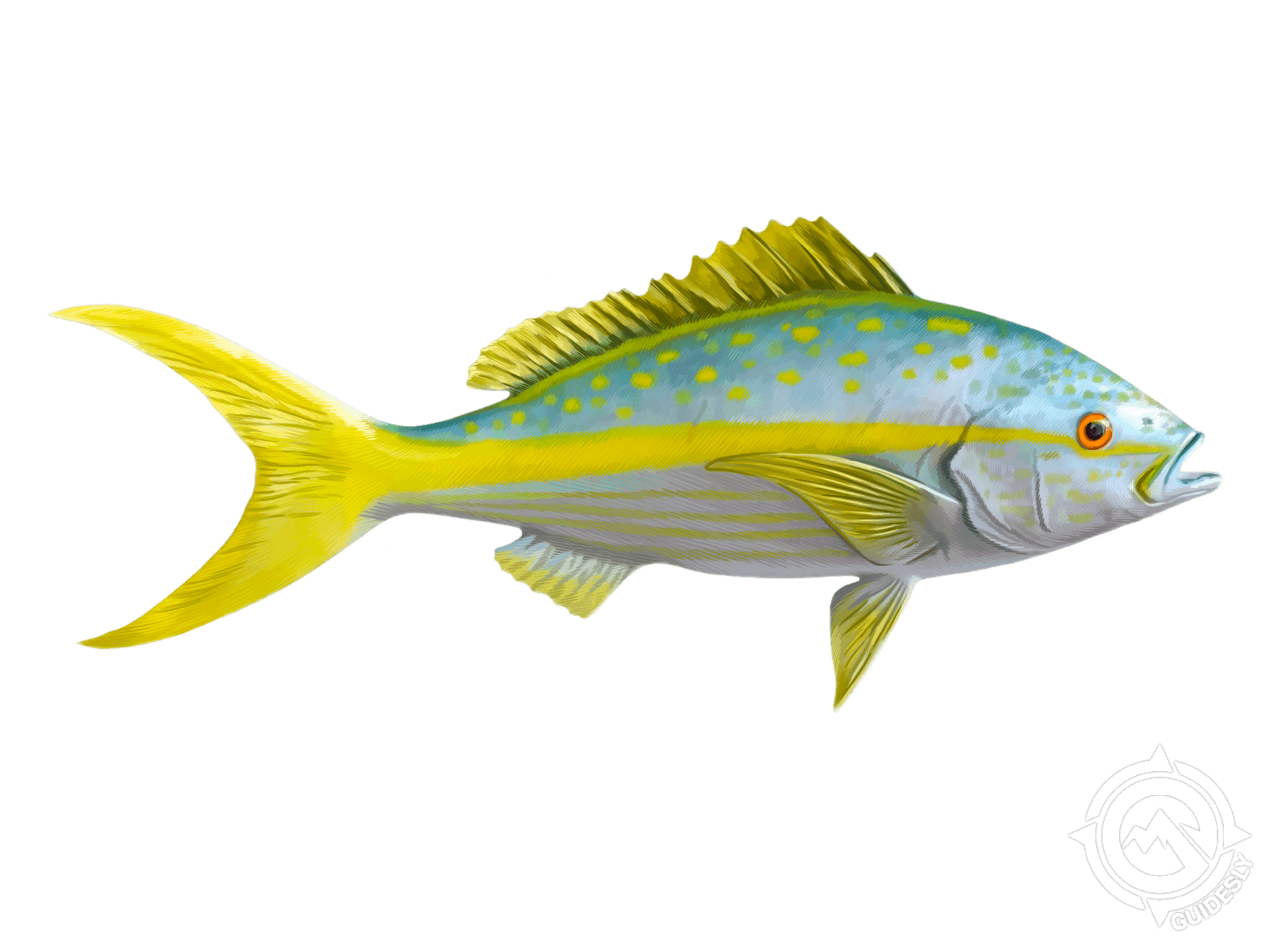
The yellowfin, scientifically known as Ocyurus chrysurus, is one of the most recognizable members of the Lutjanidae family in the order Perciformes. This distinctive snapper stands out with its brilliant yellow stripe running from snout to tail and that unmistakable bright yellow forked tail that gives it its common name. What makes this fish truly special is that it's the only species in its genus, making it absolutely unique among Caribbean reef fish. Local anglers often call the smaller ones "tails" and the bigger specimens "flags," and once you see one flash by a reef, you'll understand why this fish has captured the hearts of both recreational anglers and marine aquarium enthusiasts worldwide.
Yellowfin Overview
This oval-shaped beauty is much more than just a pretty face on the reef. The yellowfin represents one of the most sought-after game fish in tropical Atlantic waters, prized both for its fighting spirit and its excellent table fare. What really sets this species apart is its approachable nature for anglers of all skill levels - it's one of the few game fish that kids can successfully target while still providing enough challenge to keep seasoned anglers coming back. The fish's white, flaky flesh has earned it a reputation as an excellent substitute for grouper and swordfish, making it valuable both recreationally and commercially. You'll find them featured prominently in sashimi markets and high-end restaurants throughout their range.
Yellowfin Habitat and Distribution
These reef-associated fish call the Western Atlantic home, with their range stretching from Massachusetts all the way down to southeastern Brazil. However, their sweet spot is really around south Florida, the Bahamas, and throughout the Caribbean where the water stays warm year-round. They're incredibly versatile when it comes to habitat, equally comfortable around hard coral reefs, soft bottom areas, and submerged vegetation. You'll typically find them at depths between 33 and 230 feet, though they've been recorded as deep as 590 feet and occasionally right near the surface. The juveniles prefer the protection of seagrass beds and vegetated inshore waters in estuaries and bays, while the adults tend to stick around nearshore reefs where they form schools and establish territories they'll defend for years.
Yellowfin Size and Weight
Most anglers can expect to catch yellowfin in the 8 to 14-inch range, with fish rarely exceeding 16 inches in typical fishing scenarios. However, don't let their modest average size fool you - this species can reach impressive proportions under the right conditions. The largest recorded specimen stretched an incredible 34 inches, and the current international record stands at 11 pounds. These measurements represent truly exceptional fish, but even the average-sized specimens provide excellent sport on light tackle. The beauty of targeting yellowfin is that you never know when you might hook into one of those legendary "flags" that local guides talk about - those thick-bodied, golden beauties that can really test your drag system.
Yellowfin Diet and Behavior
As nocturnal feeders, these snappers really come alive when the sun goes down, though they're certainly catchable during daylight hours. Their diet reads like a seafood buffet - shrimp, crabs, octopus, squid, cuttlefish, marine worms, and smaller bony fish make up the bulk of their meals. They'll also opportunistically feed on zooplankton and pelagic fish eggs when the opportunity arises. What makes them particularly interesting from an angler's perspective is how their behavior changes with size. Smaller yellowfin will aggressively attack almost any bait or lure you throw at them, while the larger, wiser fish become incredibly line-shy and selective about what they'll eat. They typically feed above the substrate, which is why techniques that keep your bait up in the water column tend to be most successful.
Yellowfin Spawning and Seasonal Activity
The spawning behavior of yellowfin is truly spectacular when you consider the numbers involved. These fish gather in large groups at reef edges throughout the year, with peak activity typically occurring between March and August. Each mature female can carry anywhere from 99,000 to an astounding 1.5 million eggs, and once fertilized, these eggs hatch in about 20 hours. This incredibly fast development cycle helps explain why yellowfin populations can remain stable despite fishing pressure. The timing of spawning coincides with warmer water temperatures, which is why many anglers report better success rates during the spring and summer months, though these fish remain catchable year-round in their preferred tropical and subtropical waters.
Yellowfin Techniques for Observation and Capture
Chumming from an anchored or slowly drifting boat remains the gold standard for yellowfin fishing, but success requires patience and finesse. Start by establishing a good chum line and then wait several minutes to let the fish settle in - rushing this process will often result in spooking the school. Light tackle is absolutely essential since these fish are incredibly line-shy; a 15-pound mainline with a 20 to 30-pound fluorocarbon leader on a medium-action spinning rod will give you the best chance. For bait, small strips of ballyhoo, fresh shrimp, bonito, or minnows work exceptionally well, especially when presented on a 1/0 J-hook with a light jig head to help the bait sink naturally with the chum. Around Miami and the Florida Keys, local guides swear by fishing the 30 to 120-foot depth range around known reef structures, particularly during the warmer months when the fish are most active. Still fishing and drift fishing are also productive techniques, and don't overlook the possibility of catching them while trolling small jigs or flies along reef edges.
Yellowfin Culinary and Utilization Notes
From a culinary standpoint, yellowfin represents some of the finest eating you'll find in tropical waters. The flesh is white, flaky, and mild with a texture that's often compared to grouper or snapper - which makes sense given their family relationship. They're excellent prepared almost any way you can imagine: grilled, blackened, fried, or even raw as sashimi. In fact, yellowfin are commercially farmed in several parts of the world specifically for the sashimi market, which speaks to their exceptional quality. The meat holds up well to bold seasonings but is also delicious simply prepared with just lime, salt, and pepper. One of the best things about yellowfin is that they're generally considered a sustainable choice since they reproduce prolifically and aren't subject to the same overfishing pressures as some other reef species.
Yellowfin Frequently Asked Questions
Q: What is the best bait for catching yellowfin?
A: Fresh shrimp and small strips of ballyhoo are hands-down the most effective baits, especially when combined with a good chum line. The key is using light tackle and fluorocarbon leader since these fish are incredibly line-shy, particularly the larger specimens.
Q: Where can I find yellowfin near Miami?
A: Look for them around the reef structures between 30 and 120 feet of water, particularly around known spots like the Hump, Fowey Rocks, and the various artificial reefs scattered throughout Biscayne Bay and the nearshore Atlantic waters.
Q: Is yellowfin good to eat?
A: Absolutely - yellowfin is considered excellent table fare with white, flaky meat that's often used as a substitute for grouper or snapper. They're perfect for grilling, frying, or even preparing as sashimi, and the meat has a mild, sweet flavor that appeals to almost everyone.
Q: When is the best time to catch yellowfin?
A: While they're available year-round in tropical waters, the warmer months from March through August typically provide the best action, coinciding with their spawning season. Early morning and late afternoon tend to be most productive, though they'll feed throughout the day around good structure.
Q: What size hooks should I use for yellowfin?
A: A 1/0 J-hook is ideal for most situations, paired with a light 1/16-ounce jig head to help your bait sink naturally. Avoid hooks that are too large, as yellowfin can be very particular about bait presentation, especially in clear water.
Q: Can kids successfully fish for yellowfin?
A: Yes, yellowfin are actually one of the best species for introducing kids to saltwater fishing. They're aggressive feeders when they're in the mood, fight hard enough to be exciting, and are small enough for children to handle safely with light tackle.